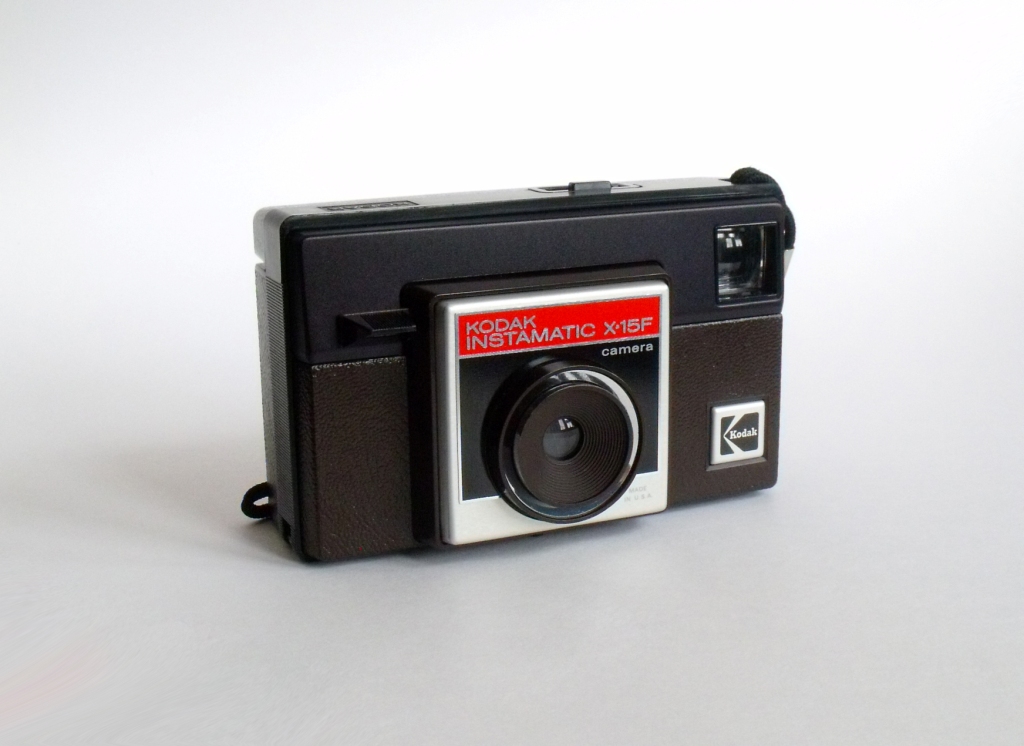
My first camera was the Kodak Instamatic X-15F (1980). I bought it with the money I earned delivering the Eugene Register Guard. It used the 126 film and required neither focusing nor exposure setting.
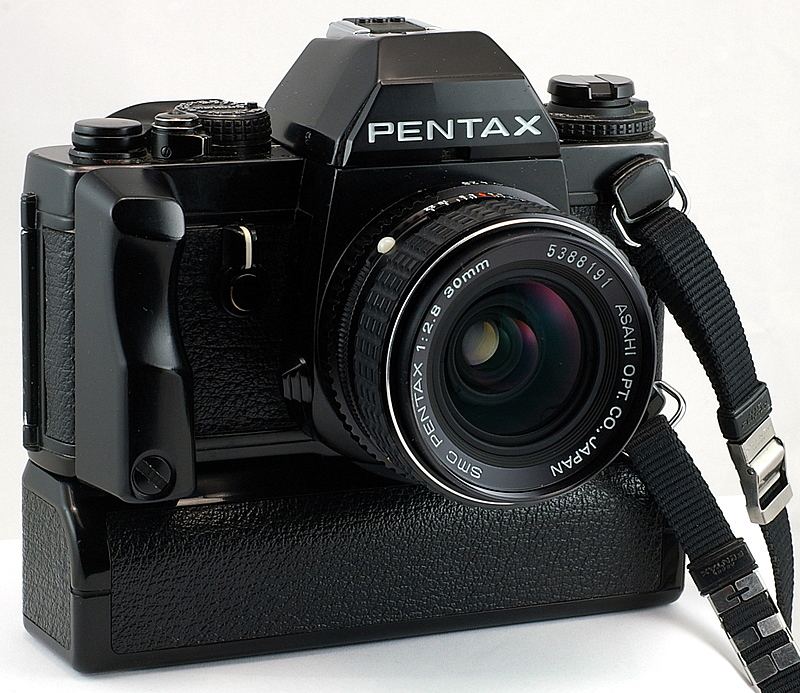
I have been fascinated about cameras since then. I’ve gone on to use Pentax ME-F (1982), Pentax LX (1984), Nikon F4s (1994), Nikon F3HP (1994), Pentax Super Program (1995), Sony Cybershot DSC-W1 (2004), Nikon D200 (2006), Nikon D800/D810 (2012/2014), Fujifilm X-E2 (2014) and Nikon D4s (2014). I’ve also used my father’s Pentax ME-Super (1979) and Nikon FG (1984), and a relative’s Canon EOS 5D Mark III (2013).
The Pentax ME-F camera was my first single lens reflex (SLR) camera. It had an autofocus indicator in the viewfinder. It also had an optional autofocus zoom lens with a built-in motor.
The Pentax LX was my first SLR camera that had advanced capabilities, such as, through-the-lens off-the-film metering, interchangeable viewfinder, interchangeable focusing screens, mirror lockup, depth-of-field preview and weather sealing. It could operate without batteries using its mechanical shutter from 1/2,000th sec. to 1/75th sec. Despite it being classified as a professional-level camera, it suffered from a well-known sticky-mirror defect.
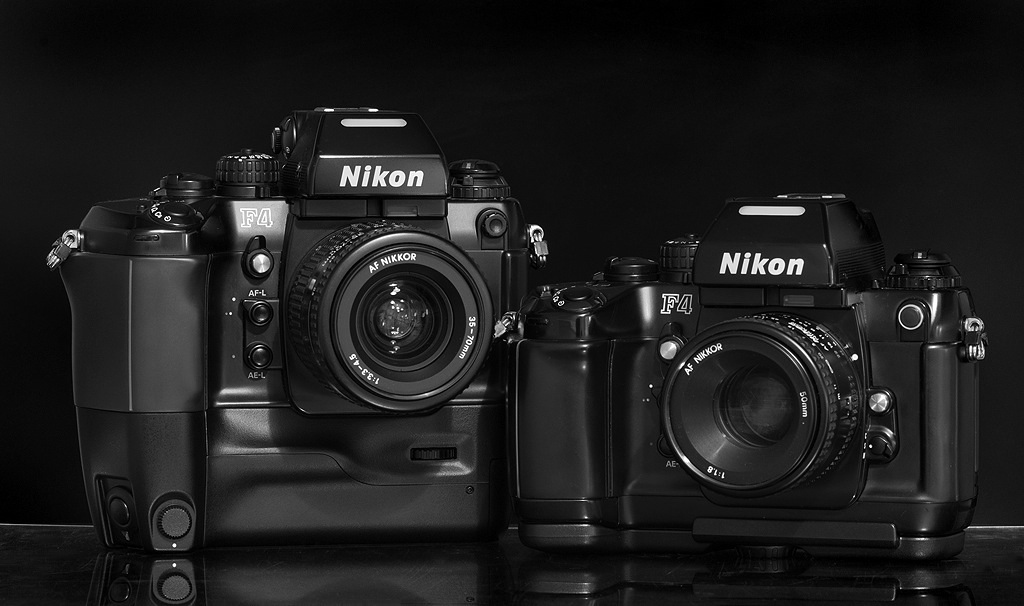
My first programmed autofocus camera was the Nikon F4s – the autofocus motor was built into the camera. It was also my first camera that totally relied on batteries to operate as it lacked the mechanical backup shutter that the F3HP had. Spare batteries had to be on hand at all time to be able to continuously use the camera.
In my transition to digital, I got a film/slide scanner Nikon CoolScan 5000 ED. It was capable of producing over 20 megapixel images albeit it takes a long to time to complete a scan.
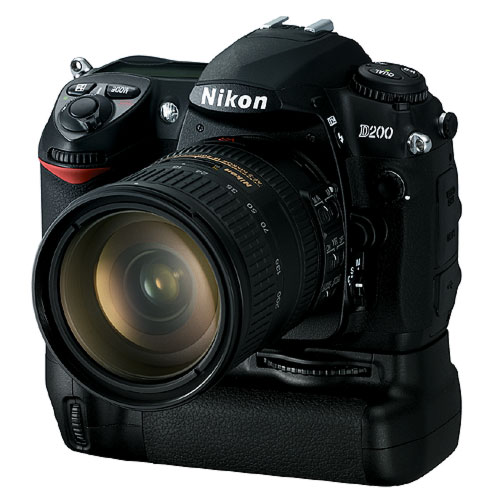
My first DSLR camera was the Nikon D200. It succeeded the D100, which I consider as the first viable digital camera. It had a 10.2 megapixel DX-format (APS-C) image sensor with a 1.5x crop factor.
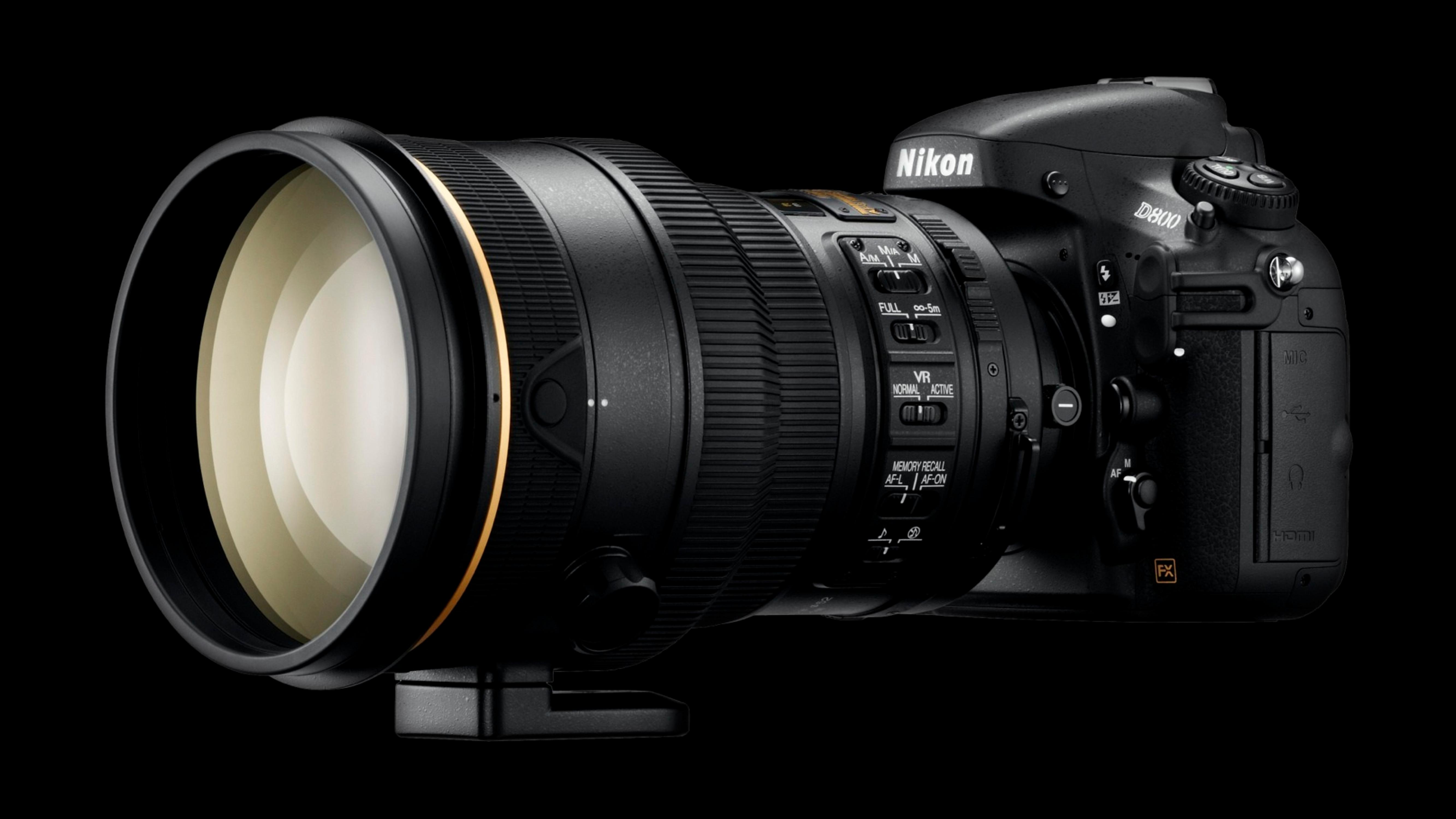
The D800 is my first 36.3 megapixel FX-format full-frame DSLR with improved low-light imaging capability usable up to ISO 2,500, but I would have preferred to have the older D700 because of its superior low noise high ISO performance. In addition, the D800 had a left autofocus problem that plagued early production versions of the camera, resulting in me having to send it back to Nikon for warranty repair.
Fujifilm X-E2 was my first mirror-less lens-interchangeable rangefinder camera. Inspired by Robert Capa, I have always liked the simplicity of the rangefinder but could not afford the Leica. A major drawback of this camera, however, is its slow autofocus.
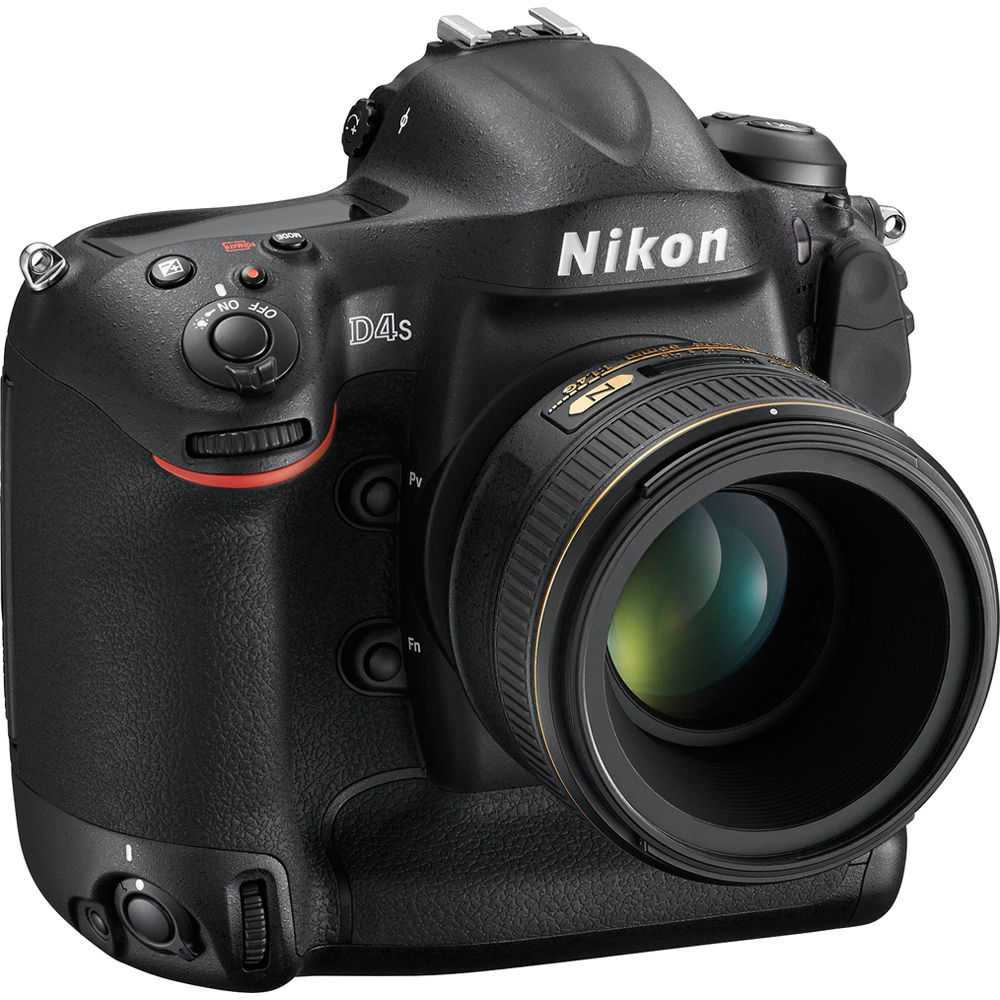
The camera I wanted very much but did not get was the Nikon F5. By the time, I got around to shopping for my next camera, cameras had gone digital. The latest camera that I admire is the Nikon D4s because of its advanced capabilities, especially for responsive low-light imaging.